

Pain doesn’t wait for you to figure things out. Whether it’s a dull ache that follows you through the day or something sharper that flares up without warning, it wears you down. And if the usual pharmacy options have left you feeling either numb or disappointed, it makes sense that you’d start looking elsewhere.
THCA flower has been quietly building a reputation among people dealing with real, everyday pain. Not because it’s trendy — but because the plant science behind it actually holds up under scrutiny. The problem is that not every THCA strain handles pain the same way. Some are built for relaxation, others for energy, and a handful genuinely target the kind of discomfort that makes your day harder than it should be.
So let’s sort the useful from the overhyped.
How THCA Works on Pain (Without the Guesswork)
THCA – tetrahydrocannabinolic acid, is the raw cannabinoid sitting inside fresh cannabis flower. It doesn’t get you high on its own. That only happens when heat converts it into delta-9 THC through decarboxylation (smoking, vaping, cooking – anything involving temperature).
But here’s what makes THCA strains for pain genuinely interesting: even in its raw, unheated form, THCA has shown anti-inflammatory and neuroprotective activity in early research. A study published in the Journal of Neuroimmune Pharmacology found that THCA reduced inflammation in microglial cells, the immune cells in your brain and spinal cord that amplify pain signals. Separate research in Phytomedicine (2012) showed neuroprotective effects in a Parkinson’s disease model, suggesting broader applications for nerve-related pain.
Your body runs an endocannabinoid system (ECS) that regulates pain, inflammation, mood, and sleep. THCA interacts with CB1 and CB2 receptors in this system and also modulates TRP channels (TRPA1, TRPV1) ion channels directly involved in how you perceive pain and temperature. Research also points to THCA influencing COX-1 and COX-2 pathways, the same enzymes that NSAIDs like ibuprofen target. Though a PubMed study noted THCA is a weaker COX-2 inhibitor than CBDA, meaning its anti-inflammatory power likely comes from multiple pathways working together rather than one mechanism alone.
Translation: THCA doesn’t just mask pain. It potentially works across several biological systems that control how your body generates and processes pain signals.
Important caveat, most of this evidence is preclinical. Human clinical trials remain limited. Always talk to a doctor before switching up your pain management approach.
Why Terpenes Matter More Than THC Percentages
Here’s something the potency-obsessed marketing world doesn’t want you to hear: the THCA percentage on a label tells you less about pain relief than the terpene profile does.
Terpenes are aromatic compounds in cannabis that shape how each strain actually feels. For pain specifically, three terpenes consistently show up in strains that users reach for:
Myrcene is the most common cannabis terpene and carries documented sedative and muscle-relaxant properties. Strains heavy in myrcene feel “heavier” more body-focused, more grounding. If your pain disrupts sleep, myrcene-dominant strains are where you start.
Beta-caryophyllene is the only terpene known to directly bind to CB2 receptors in the endocannabinoid system. That gives it genuine anti-inflammatory action, not just aromatherapy vibes. It shows up constantly in strains chosen for joint pain, arthritis, and general inflammation.
Linalool – also found in lavender, brings calming, anti-anxiety effects. Pain isn’t just physical. Stress and anxiety amplify discomfort, and linalool addresses that secondary layer that most people overlook.
When choosing THCA strains for pain, read the COA terpene breakdown. That data is more predictive of your experience than any potency number.
Best THCA Flower for Pain: Strains Worth Trying
Based on terpene profiles, cannabinoid content, and consistent user feedback, these indica-dominant THCA strains come up repeatedly in pain-related conversations. Research published in the Journal of Alternative and Complementary Medicine confirms what most users already know, indica strains are preferred for pain management, sedation, and sleep over sativas.
Godfather OG
One of the strongest THCA strains for body pain available, Godfather OG delivers deep, full-body relaxation that goes straight for muscle tension and widespread aches. Dominant terpenes include myrcene and caryophyllene, practically designed for pain relief. Users report it’s best for end-of-day discomfort and sleep disruptions. Exhale Wellness offers this as a premium, lab-tested THCA flower.
Skywalker OG
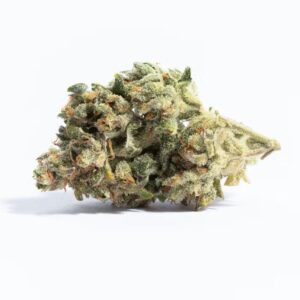
Crossing OG Kush with Skywalker creates an indica-dominant hybrid that pairs a calming body high with a dreamlike mental ease. Earthy, diesel-forward aromatics and relaxation-leaning terpenes make it a solid choice for tension, stress-related pain, and insomnia. Not as sedating as Godfather OG, but it still anchors you.
Explore More About Skywalker Og
Gelato 42
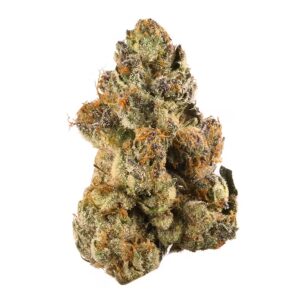
This indica-dominant Gelato phenotype balances genuine potency with a smooth dessert flavor. It leans into body relaxation while keeping the mind slightly present, useful when you want pain relief without being completely couch-locked. The caryophyllene-forward terpene blend directly supports anti-inflammatory action.
Explore More about Galeto 42
Purple Zkittlez
Indica-leaning with candy-like aromatics and a terpene trio of caryophyllene, limonene, and myrcene. Recommended for evenings when both stress relief and physical comfort are on the agenda. Provides meaningful calm without the heaviness that some stronger indicas carry.
Lemon Cherry Gelato
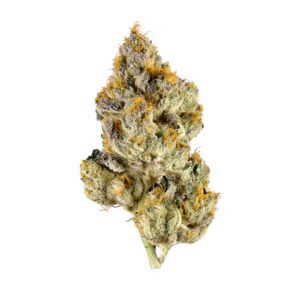
Some batches test above 29% THCA, making it one of the more potent options. The indica-dominant genetics push toward body comfort, while the sour cherry and lemon flavor keeps things interesting. Users report a gradual physical ease, the kind that builds over 15 minutes without mental fog tagging along.
Explore More about Lemon Cherry Gelato
Indica, Sativa, or Hybrid for Pain?
Indica-dominant strains generally win for body pain. They produce heavier physical effects, promote muscle relaxation, and tend to carry higher myrcene content. Sativas lean toward mental energy and focus, useful for daytime functionality, but not as effective for deep physical discomfort. Hybrids land somewhere in between.
A practical approach: use an indica-dominant THCA strain for evening pain relief and sleep, and consider a balanced hybrid for daytime when you need to stay functional but still want the edge taken off. Track what works. Pain is personal enough that no Reddit thread or blog post can tell you exactly which strain your body will respond to best.
What to Check Before Buying THCA Flower for Pain
Quality control separates flower that works from flower that wastes your money. Before spending anything, verify these basics:
Third-party COAs should show full cannabinoid and terpene profiles, plus clean panels for pesticides, heavy metals, and microbials. If the brand doesn’t publish batch-specific lab reports, skip them entirely.
Indoor cultivation generally produces more consistent terpene preservation and potency compared to greenhouse or outdoor grows. It costs more, but for pain management, where terpene accuracy directly affects your results, it’s worth the difference.
Proper cure matters. Flower that smells muted or looks dry and brittle has likely lost terpene content. Fresh, aromatic buds with visible trichomes are a better indicator of quality than any label claim.
The entourage effect is real. A strain at 20% THCA with a rich terpene profile will often outperform a 28% strain with a flat or mismatched terpene blend. Don’t chase numbers. Chase the full chemical picture.
Quick Legal Note (2026)
THCA flower is currently federally legal under the 2018 Farm Bill, under 0.3% delta-9 THC by dry weight. However, a law signed in November 2025 (P.L. 119-37, Section 781) introduces a total THC formula effective November 12, 2026, which would reclassify most high-THCA flower. State laws also vary. Always check local regulations before ordering.
Dosing for Pain: Less Drama, More Strategy
Start low. One or two draws from a vape or pipe, then wait 15–20 minutes. Stronger indica strains can surprise you, and overconsumption usually creates anxiety rather than relief.
Evening use works best for sedating strains. Keep things simple, don’t combine alcohol or new supplements while you’re still learning how a particular strain hits. Store your flower in an airtight glass jar with a 62% humidity pack to keep the terpenes and potency intact.
Bottom Line
The strongest THCA strain for body pain is the one that matches your specific discomfort profile, not the one with the highest number on the label. Focus on terpene data, stick to lab-tested flower from transparent brands, and give yourself time to find what genuinely works for your body. Pain is individual enough that the best THCA flower for pain will always be the one you’ve personally tested and tracked. Start with the strains above, pay attention to how each one lands, and adjust from there.
Disclaimer: This article is for informational purposes only and does not constitute medical advice. THCA has not been evaluated by the FDA for treating or preventing any disease. Consult a healthcare professional before using cannabinoid products for pain management.