

Cannabis use among adults over 65 has surged 46% in just two years, according to a 2025 federal health survey. That’s not a statistic about rebellious grandparents. It’s a reflection of something practical: millions of older adults dealing with chronic pain, poor sleep, anxiety, and inflammation have tried the standard pharmaceutical options, experienced the side effects, and decided to explore what the plant might offer.
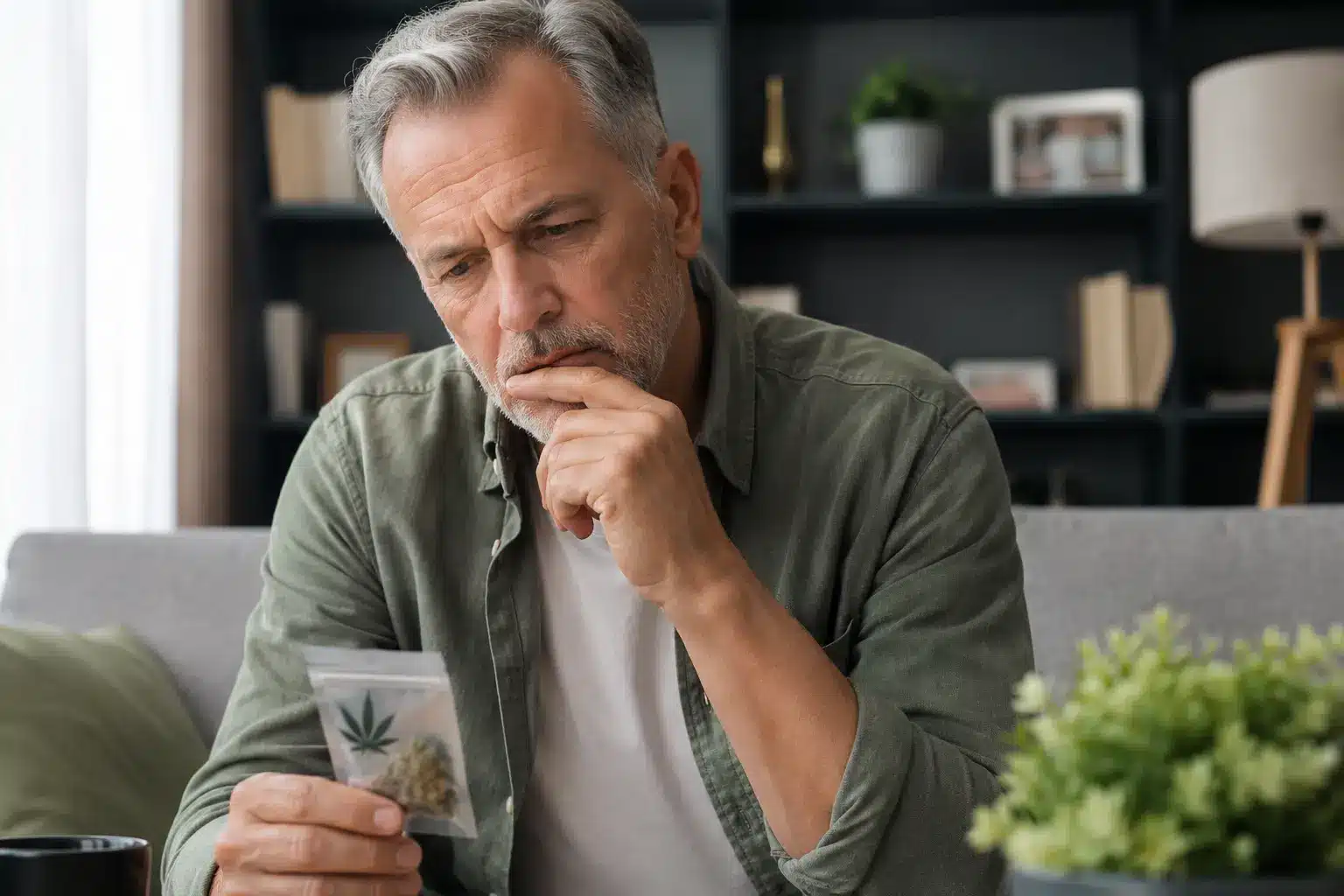
If you’re over 50 and considering cannabis for the first time, or returning after decades away, you’re making that decision in a very different landscape than what existed even five years ago. The products are more precise. The dosing is more controllable. And the research, while still developing, is substantive enough to guide informed choices.
This guide covers what you need to know: which products work best for older adults, which medications interact with cannabis, how to dose safely, and when to talk to your doctor before starting.
Why Seniors Are the Fastest-Growing Cannabis Demographic
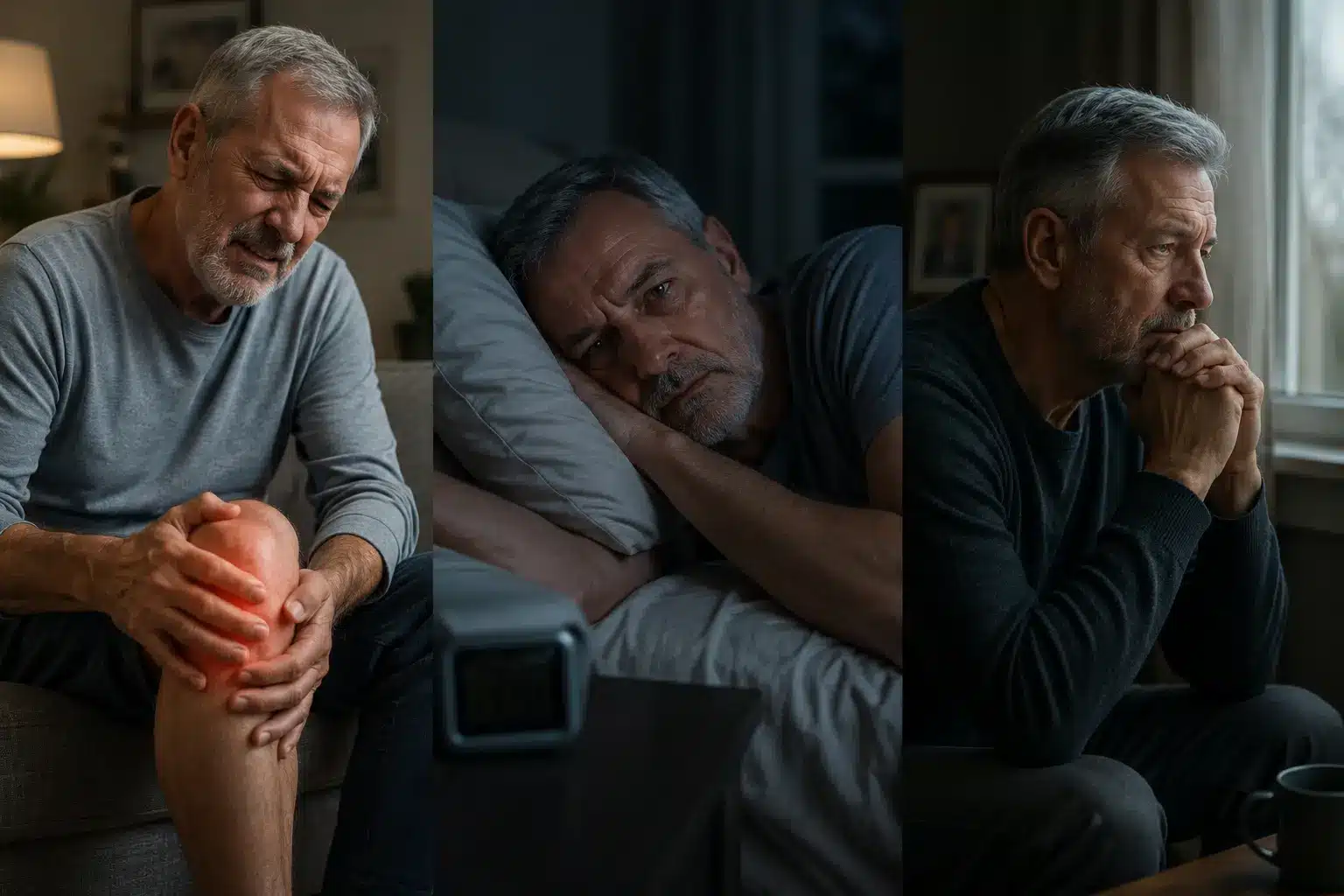
The reasons are straightforward, and they map to the health realities of aging.
Chronic pain affects approximately 50% of older adults. Arthritis, neuropathy, spinal stenosis, and joint degeneration produce persistent discomfort that NSAIDs can’t always manage and that opioids carry serious dependency risks for. Both THC and CBD interact with pain pathways through the endocannabinoid system (ECS), offering a different mechanism than traditional painkillers.
Sleep disruption increases with age. Falling asleep takes longer, staying asleep gets harder, and the medications designed to help (benzodiazepines, Z-drugs) carry dependency and cognitive risks that many older adults want to avoid. Low-dose THC, particularly in indica-leaning edible form, can support sleep onset and duration through CB1 receptor activity.
Anxiety and isolation affect a significant percentage of adults over 65, particularly those dealing with retirement, loss of a spouse, or reduced mobility. CBD and low-dose THC produce anxiolytic effects through serotonin receptor modulation and endocannabinoid activity without the cognitive blunting that prescription anti-anxiety medications can cause.
The appeal isn’t recreational. It’s functional. Cannabis at the right dose addresses the same symptoms that drive most doctor visits for this age group, through pathways that existing medications don’t cover or cover with side effects that erode quality of life.
The Drug Interaction Conversation (Read This First)
This is the most important section in this entire guide. Cannabis interacts with prescription medications through the same liver enzyme system that processes the majority of common drugs.
The cytochrome P450 (CYP450) pathway is a family of enzymes in your liver responsible for metabolizing over 70% of prescribed medications. Both THC and CBD can inhibit or alter the activity of specific CYP450 enzymes, particularly CYP2C9 and CYP3A4. When that happens, the medications processed by those enzymes can accumulate to higher-than-intended levels in your bloodstream, or clear too quickly to be effective.
Stanford Medicine researchers published a detailed advisory in October 2025 identifying five specific risks cannabis poses for adults over 65, with drug interactions listed as the primary concern.
Medications that require caution or medical consultation before combining with cannabis:
Warfarin and other blood thinners: THC inhibits CYP2C9, the enzyme that metabolizes warfarin. This can raise warfarin levels in your body, increasing bleeding risk after falls or injuries. A case report published in the Journal of Cannabis Research documented an 85-year-old patient on warfarin who used low-dose medical cannabis (0.3mg THC + 5.3mg CBD daily) with minimal INR fluctuations, suggesting that low doses and consistent use may reduce interaction severity. But the interaction potential is real and dose-dependent.
Statins (atorvastatin, simvastatin, rosuvastatin): Cannabis may alter how your body processes lipids and metabolizes these cholesterol medications, potentially affecting their potency.
Heart rhythm medications: Consistent dosing is critical for these drugs. Cannabis-induced metabolism changes could lead to irregular heartbeats or dizziness.
SSRIs and antidepressants: Both cannabis and SSRIs affect serotonin pathways. Combining them without medical guidance can produce unpredictable mood effects or serotonin-related complications.
Anti-seizure medications: Cannabis can alter plasma concentrations of drugs like phenytoin and clobazam.
The non-negotiable rule: If you take any prescription medication, talk to your doctor or pharmacist before trying cannabis products. Bring the specific product you’re considering (or its lab report) so they can evaluate the cannabinoid content against your medication profile. This isn’t optional caution. It’s a clinical necessity.
Starting Doses for Older Adults: Lower Than You Think
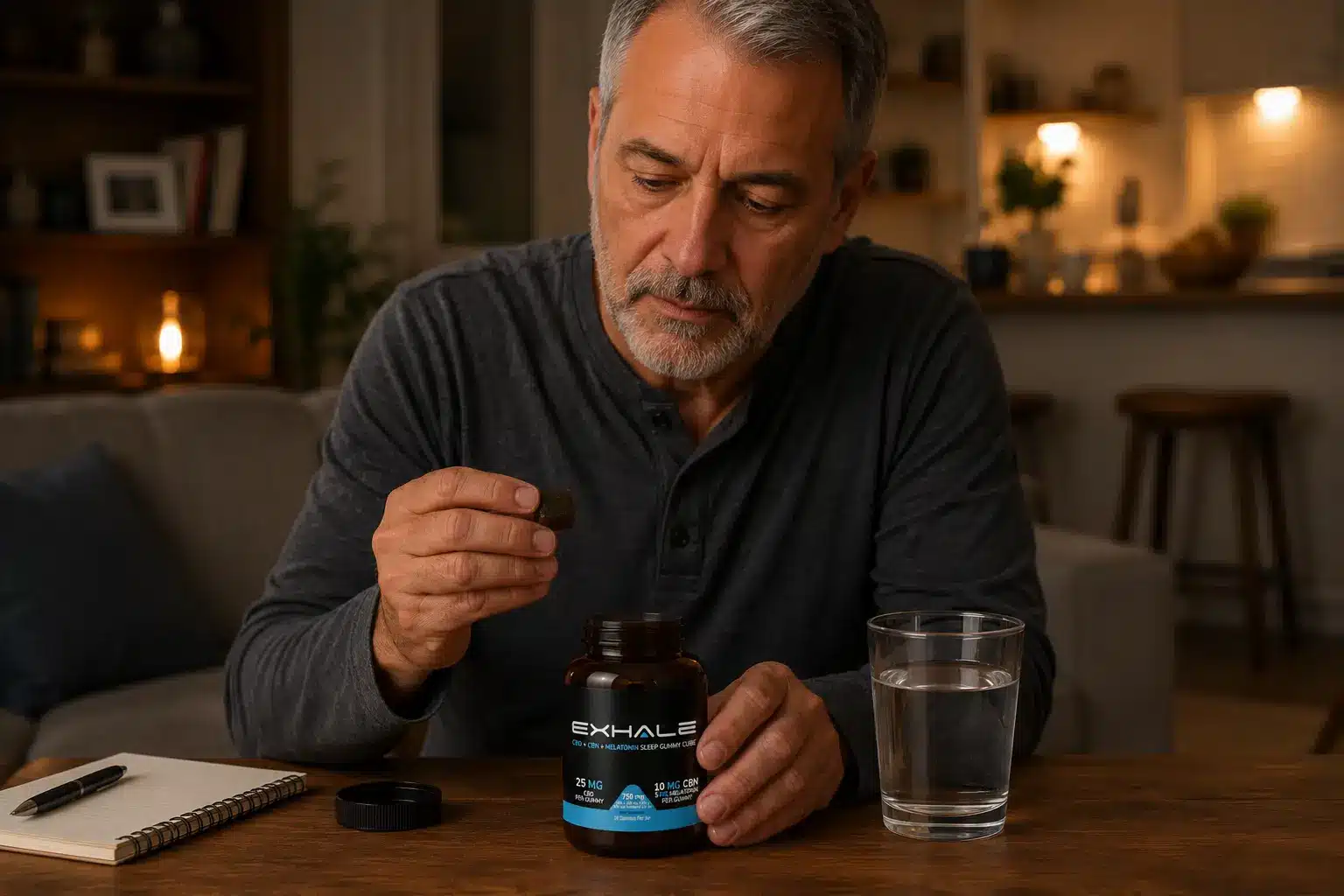
Seniors metabolize cannabinoids more slowly than younger adults. The Stanford advisory specifically noted that slower metabolism means highs last longer, effects may feel more intense at the same dose, and there are more opportunities for medication interactions because cannabinoids stay in the system longer.
The starting doses that work for a 30-year-old are too high for most people over 60. Here’s where to begin.
| Goal | Starting Dose | Best Product | Why This Works |
|---|---|---|---|
| General wellness, mild anxiety | 1 to 2mg THC + CBD | CBD+THC Gummy Cubes (2mg D9 + 8mg CBD) | CBD moderates THC effects, lowest available psychoactive dose |
| Joint pain, arthritis | Topical CBD (no THC needed) | CBD Relief Salve (1,000mg or 2,000mg) | Applied directly to joints, doesn’t enter bloodstream, no drug interaction risk |
| Chronic widespread pain | 2 to 5mg THC | Half a CBD+THC Cube (1mg THC) → work up to full cube | Gradual titration over 2 weeks prevents overconsumption |
| Sleep support | 2.5 to 5mg THC | Half a Delta-9 Gummy (7.5mg) or a full CBD+THC Cube | Evening use, 60-90 min before bed |
| No psychoactive effects desired | 10 to 25mg CBD only | CBD Gummies (25mg full-spectrum) | Anti-inflammatory, anxiolytic, zero high |
The golden rule for seniors: start at half the lowest recommended adult dose and increase by 1mg every 3 to 5 days. This slow titration lets you find the minimum effective dose without overshoot. A 2mg gummy that feels mild on day one might feel perfect by day three as your ECS adapts to the new input.
Why Edibles Are Usually the Best Format for Older Adults
Smoking irritates the respiratory system. Vaping is simpler but still involves inhalation. For most adults over 50, edibles offer the safest, most controllable introduction to cannabis.
Precise dosing. Every gummy contains a lab-verified amount of THC and CBD. You know exactly what you’re consuming per serving, which matters enormously when managing medication interactions and personal sensitivity.
No respiratory exposure. No smoke, no vapor, no coughing, no lung irritation. This is particularly relevant for seniors with COPD, asthma, or any respiratory history.
Long duration. Edibles last 4 to 8 hours, which covers sleep support through the night and reduces the need for multiple doses during the day for pain management.
Discreet and familiar. A gummy looks and feels like any other supplement. There’s no stigma, no smell, no equipment. For seniors navigating cannabis in communities where it still carries social judgment, the edible format removes visible barriers.
The one trade-off: edibles take 45 to 90 minutes to produce effects. Patience is essential. Taking a second dose because “the first one isn’t working” after only 40 minutes is the single most common mistake across all age groups and the one most likely to produce an uncomfortably strong experience.
Topical CBD: The Zero-Risk Starting Point
For seniors whose primary concern is localized pain (arthritis in the hands, knee joint stiffness, shoulder inflammation), topical CBD is the safest entry point because it doesn’t enter the bloodstream.
CBD Relief Salve applied directly to the affected joint interacts with cannabinoid receptors in the skin and underlying tissue. It provides localized anti-inflammatory and pain-modulating effects at the application site without producing any psychoactive effects, without entering systemic circulation, and without triggering any of the drug interactions that oral cannabis products can cause.
For someone on warfarin, statins, or heart medications who wants to try cannabis for arthritis pain, topical CBD is the one format where drug interaction risk is essentially zero. Apply to the affected area 2 to 3 times daily and assess over one week before concluding whether it helps.
What Your Body Feels: Setting Realistic Expectations
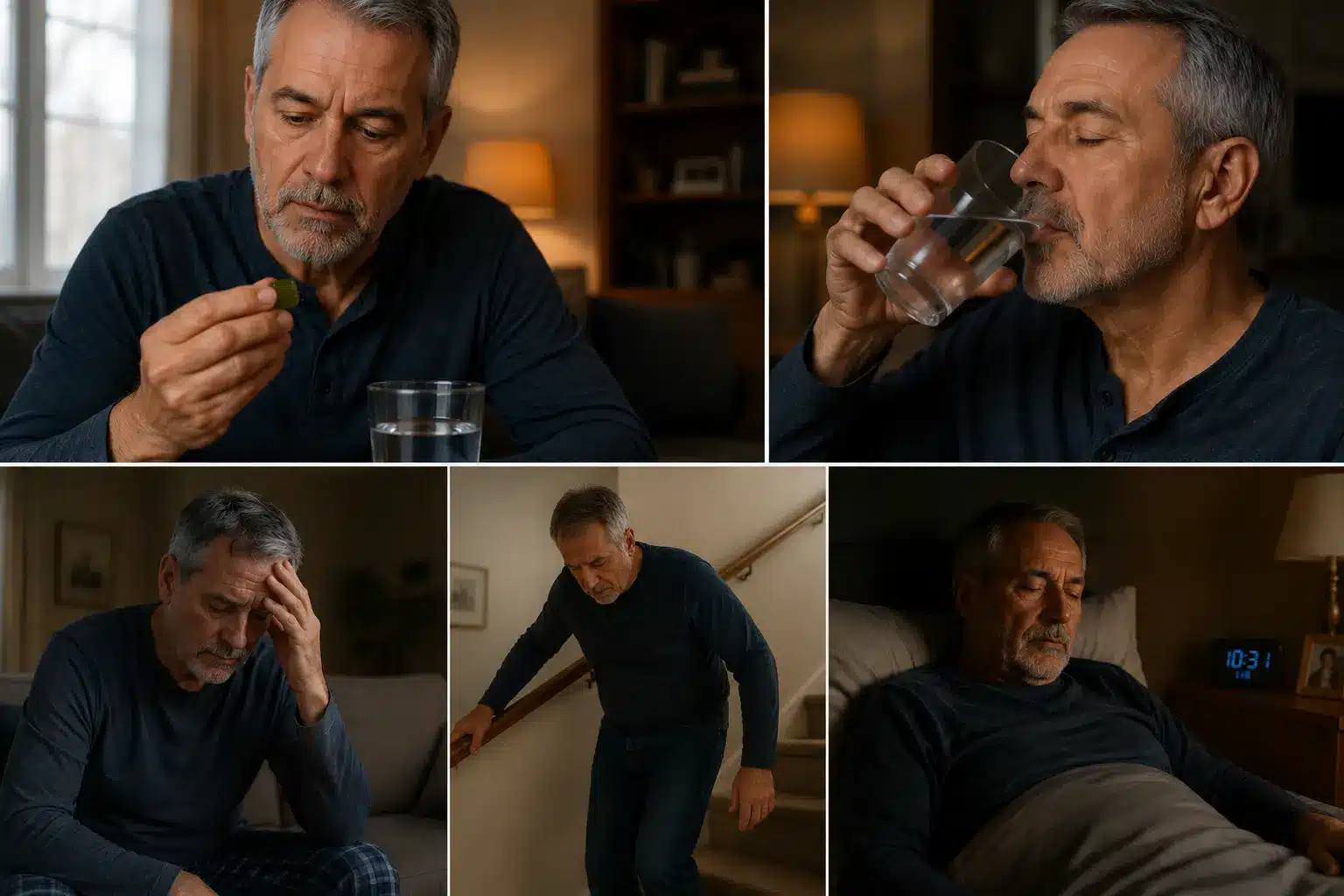
Cannabis affects older adults differently than younger users, and knowing what to expect prevents unnecessary alarm.
Effects may take longer to notice and last longer than expected. Slower metabolism means the onset window for edibles can extend to 90 to 120 minutes (versus 45 to 60 for younger adults), and effects may persist for 6 to 10 hours at doses that would last 4 to 6 hours in someone younger.
Dry mouth is common and manageable. THC interacts with salivary gland receptors regardless of age. Keep water accessible. For seniors already dealing with dry mouth from medications, this can feel more pronounced.
Mild dizziness can occur, particularly at first. THC can lower blood pressure transiently. For adults on antihypertensives, this additive effect may cause lightheadedness when standing. Rise slowly from seated positions after your first few sessions.
Fall risk increases with impairment. This is the Stanford advisory’s most direct safety concern. Any psychoactive substance that alters balance, coordination, or reaction time increases fall risk in older adults. Using cannabis while seated or in bed (particularly for sleep purposes) is meaningfully safer than using it before moving through the house, navigating stairs, or going outside.
When to Talk to Your Doctor
Cannabis is a tool, not a treatment plan. The following situations require professional consultation before starting.
You take three or more prescription medications. The interaction complexity increases with each additional drug sharing the CYP450 pathway. Your pharmacist can run an interaction check that accounts for cannabis.
You have a cardiovascular condition. THC increases heart rate and can affect blood pressure. If you have a history of arrhythmia, heart disease, or stroke, your cardiologist needs to weigh in.
You’ve experienced confusion, memory issues, or cognitive decline. THC affects working memory and executive function. For adults with early cognitive changes, adding a psychoactive substance requires careful evaluation.
You have a history of falls. Any impairment that affects balance belongs in a conversation with your care team.
You’re managing a mental health condition. Cannabis can help anxiety in some people and worsen it in others. If you have depression, anxiety disorder, or any psychiatric diagnosis, discuss cannabis with your prescribing provider.
Lastly
Cannabis for seniors isn’t about getting high. It’s about accessing a different mechanism for managing the pain, sleep disruption, and anxiety that standard medications either don’t fully address or address with side effects that diminish quality of life.
Start with the lowest dose available. Choose edibles or topicals over inhaled formats. Talk to your doctor before your first dose if you take any prescription medications. And give yourself two weeks of slow, gradual titration before deciding whether cannabis has a role in your wellness routine.
The fastest-growing cannabis demographic isn’t chasing a trend. They’re solving a problem. And at the right dose, with the right product, the solution is gentler than most of the alternatives they’ve already tried.
Disclaimer: This article is for informational purposes only and does not constitute medical advice. Cannabis products have not been evaluated by the FDA. THC products produce psychoactive effects and appear on drug tests. Cannabis can interact with prescription medications. Consult your healthcare provider before using cannabis products, especially if you take prescription medications or have existing health conditions.